
April 1, 2026

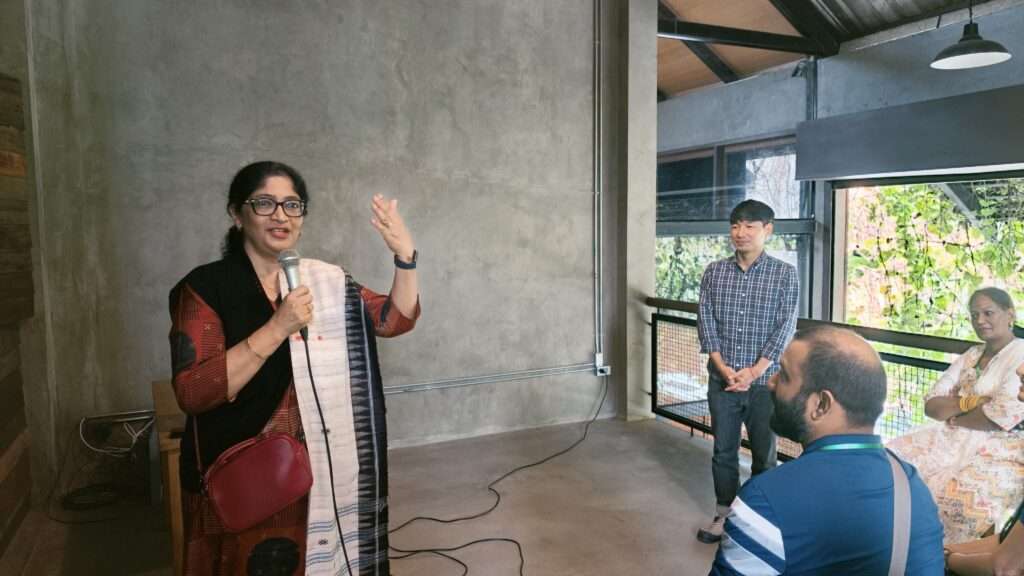
Dr. Sandra Joseph has spent her academic career in the belief that universities belong not only in classrooms and laboratories but also in the villages, streets, and communities beyond their walls. Trained in social work, with a master’s and PhD in the same field, she believes higher education finds its deepest meaning when rigorous study meets lived experience and when students confront real stories of struggle, resilience, and change. “You cannot just shut yourself inside a university like in an ivory tower and then talk about development, change, and human dignity,” she reflected.
When Sandra joined the United Board in April 2024 as Consultant, Program and Assessment Officer, she found an institutional home for this conviction. In one early online meeting with United Board President Dr. Pareena Gupta Lawrence, she mentioned David Bornstein’s Social Entrepreneurs and the Power of Ideas, which profiles ordinary professionals whose encounters with suffering led them to launch small but transformative initiatives.
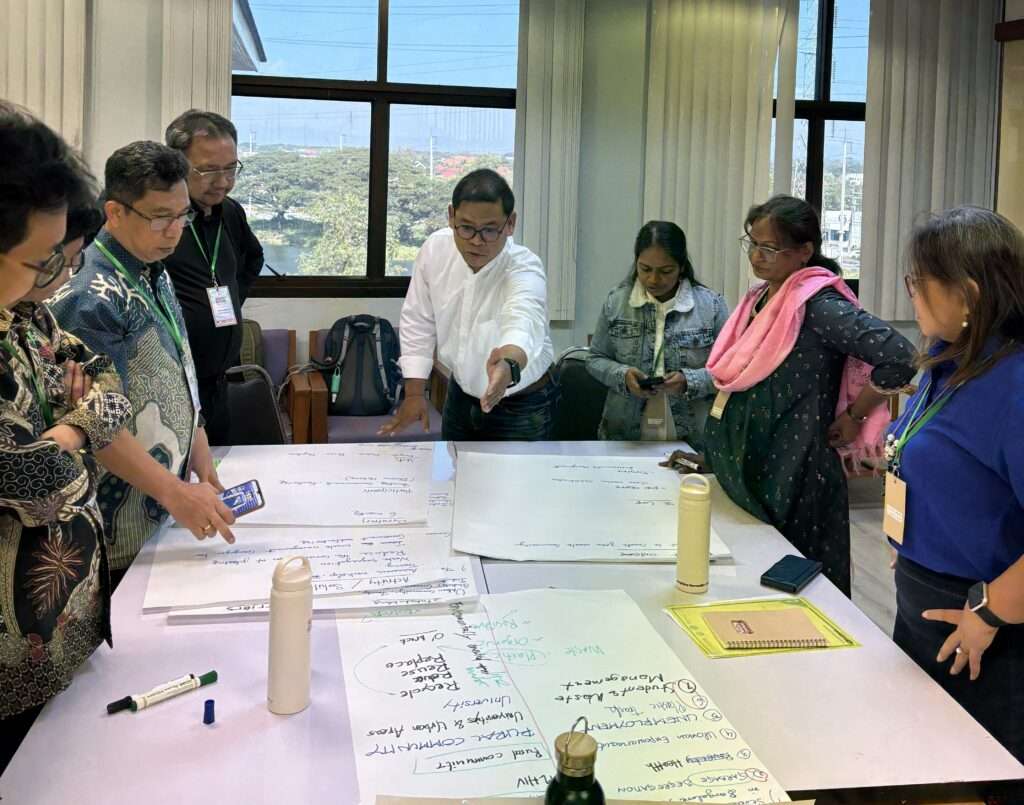
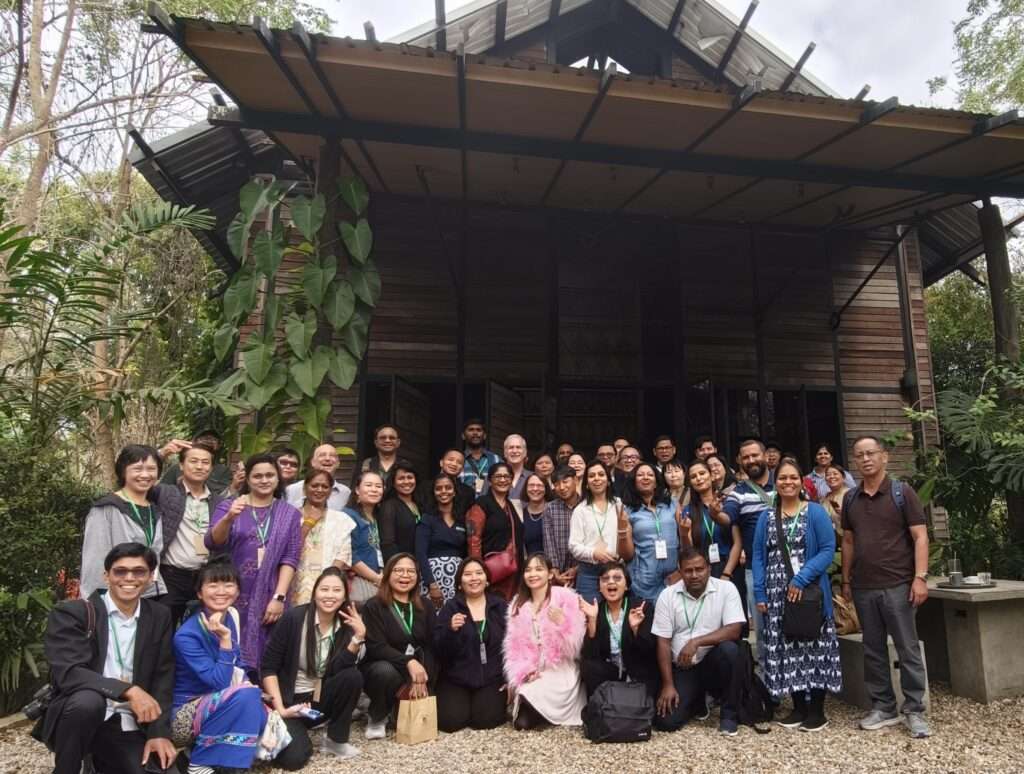
As Sandra shared some of those case studies, Pareena “lit up” and said, “Yes, I’m so excited about this,” seeing the potential for a new learning experience that could bring educators and social entrepreneurs together. That shared spark sowed the seed of Seeds of Change: Initiating Social Entrepreneurship in Higher Education, a new program whose pilot cohort completed its onsite component at Payap University in Chiang Mai, Thailand, this January.
“I think it’s very important to take the students to practical, real-life, lived experiences that bring about change—and that’s what this program did,” Sandra said. “We brought in people who ‘soiled their hands’, who suffered, who saw life being so difficult.”
One such person is Mr. Callum McKenzie, now Managing Director of Yunus Thailand, who went to South Africa and saw children suffering, sleeping on the road, with no food, nothing. “That was his turning point,” Sandra said, “Seeing such extreme poverty moved him from concern to concrete action.”
At the session, Callum challenged the participants to move beyond a traditional charity model—well-intentioned but sometimes fostering dependency—toward social businesses that tackle urgent social problems through financially sustainable enterprises. He emphasized that these enterprises put impact before profit maximization while remaining economically viable and accountable, insisting that poverty is neither inevitable nor insurmountable.
Then there was Ms. Antoinette Jackson, founder of SuperBee Social Enterprise in Chiang Mai, an Australian who came to Thailand and works with rural women, bringing about empowering change in their lives. For Sandra, Antoinette embodies a model of social entrepreneurship that begins with listening to women’s realities and fighting for their dignity.
SuperBee translates that conviction into practice by creating sustainable, dignified livelihoods for women in the Hang Dong area through eco-friendly production, paying about 20 percent above the living wage and offering systematic skills training. By enabling women to work within their own villages, SuperBee reduces the social costs of migration to cities and helps women grow in confidence, professional expertise, and pride in their contribution to their families and communities.
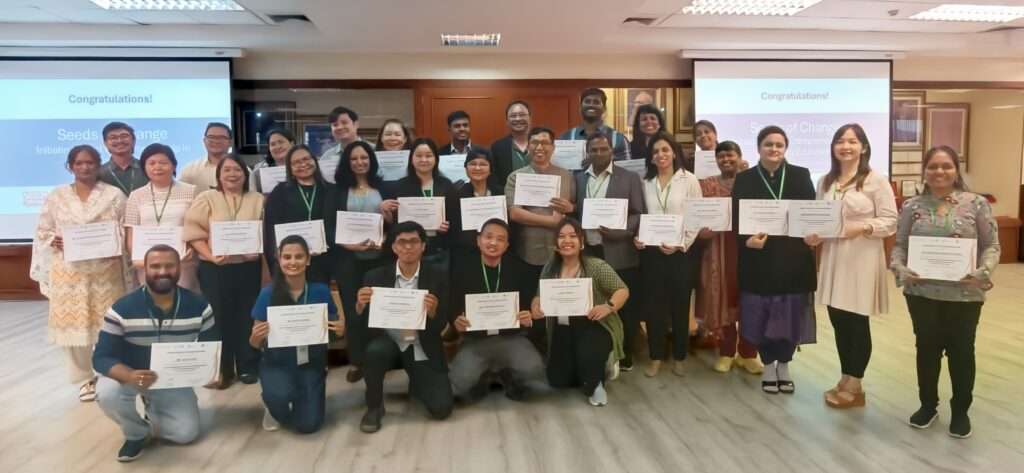
Throughout the three days of the program, there was a lot of sharing from other speakers and their stories, each inspiring and thought-provoking in their own way. For Sandra, what united these stories is that they are all “grounded in real-life contexts,” led by “very humble people,” and deeply committed to human dignity. She stressed that the “Seeds of Change” is not just about bringing case studies into higher education, but “really about social transformation.”
Sandra is, however, realistic that significant challenges lie ahead as participants seek to move from inspiration to institutional change in an educational system often driven by rankings, competing priorities, and a lack of resources. Yet she remains convinced that initiatives like “Seeds of Change” can help “bring back the soul of the university” by reconnecting teaching and research with compassion, conscience, and social transformation. Above all, she hopes the program will generate more people like those she met in Chiang Mai—and many more such stories in the years to come.
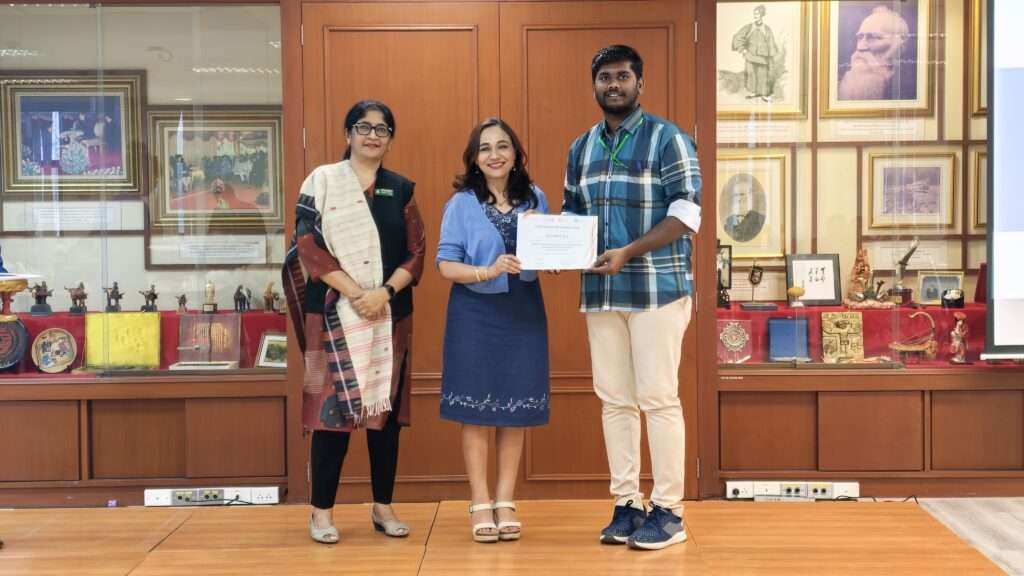
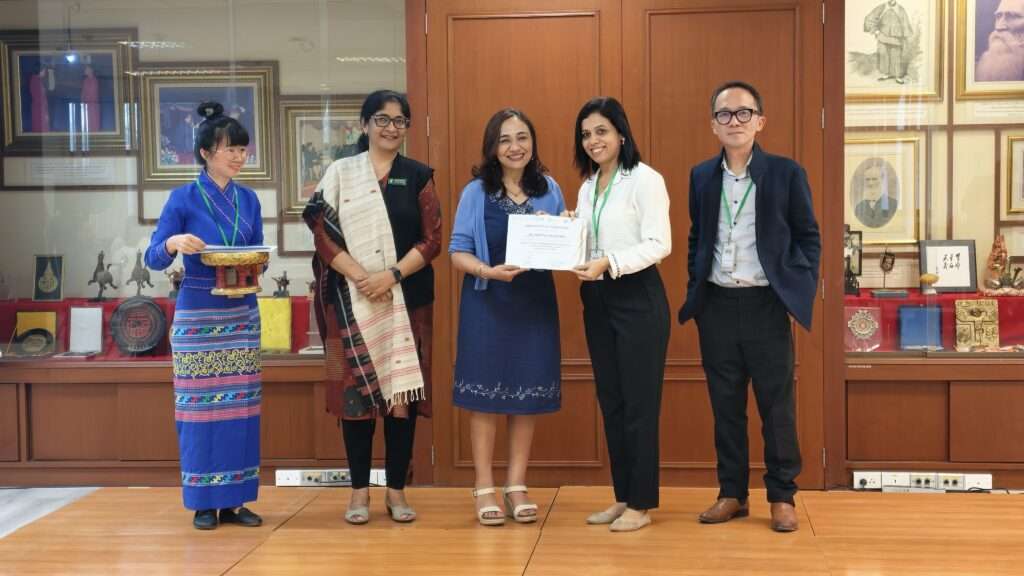
Looking ahead, Sandra wants to ensure the pilot does not become a one‑off inspiration. She is following up with participants to see which pathways they will pursue—micro‑credentials in social entrepreneurship, field‑based projects with NGOs and local governments, or new degree structures that embed social enterprise in the curriculum—and exploring how the United Board might accompany them, including through future partnerships and possible small seed grants.
Pareena joined the onsite program and addressed participants at both the opening and closing sessions. She viewed “Seeds of Change” as a vivid expression of the United Board’s vision of whole person education. “What I witnessed here was faculty and practitioners thinking and working together with their communities in ways that engage the mind, heart, body, and spirit,” she remarked. “When we link rigorous learning with solving real-world problems with compassion and conscience, we prepare students not only for jobs, but for lives of meaning and purpose.”
“For me, social responsibility and giving back to one’s community are part of the core purpose of higher education.” (Pareena Gupta Lawrence)
Sandra, for her part, remains hopeful that the inaugural cohort will turn ideas into action. “I look forward to these seeds taking strong roots wherever the participants have gone back to,” she said. She is quick to acknowledge that this first step was made possible by strong collaboration on the ground: “I’m very satisfied with the partnership we had with Payap University. Together with their Center for Social Impact, they have been excellent partners, and I would really look forward, with the support of the United Board, to taking this forward.”