April 1, 2026

Prompt action, immediate change, and palpable impact: these mark both Dr. Phon Sophal’s leadership and the fast-evolving story of Saint Paul Institute (SPI), Cambodia’s only Catholic higher education institution and a new partner in the United Board’s network.
At 44, Dr. Sophal brings to SPI a blend of pastoral experience, administrative discipline, and academic training shaped by the Church’s mission among Cambodia’s youth. He studied leadership and theology at St. Vincent School of Theology, Adamson University in the Philippines and joined a leadership program with Fondacio Asia, a Christian movement that aims to awaken the best in each person. Returning to Cambodia in 2008, he served the Catholic Church in the Phnom Penh vicariate as translator, project coordinator, and youth coordinator across eight provinces, traveling weekly to accompany young people and support diocesan initiatives.
Recognizing a gap in lay faith formation, he worked with Bishop Olivier Schmitthaeusler to establish St. Justin’s School of Faith in 2011, taking on founding director-level responsibilities while continuing his youth and project coordination roles. Between 2013 and 2015, he completed a Master of Business Administration while working, and later earned his PhD at Assumption University in Thailand. In 2016 he began visiting Saint Paul Institute-SPI as Vice Director for International Affairs, and in 2017 he was appointed director of SPI, a position he has held since.
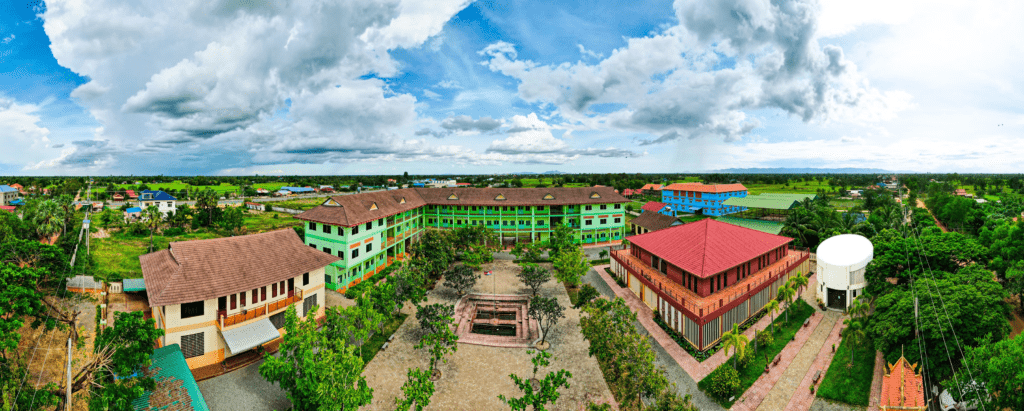
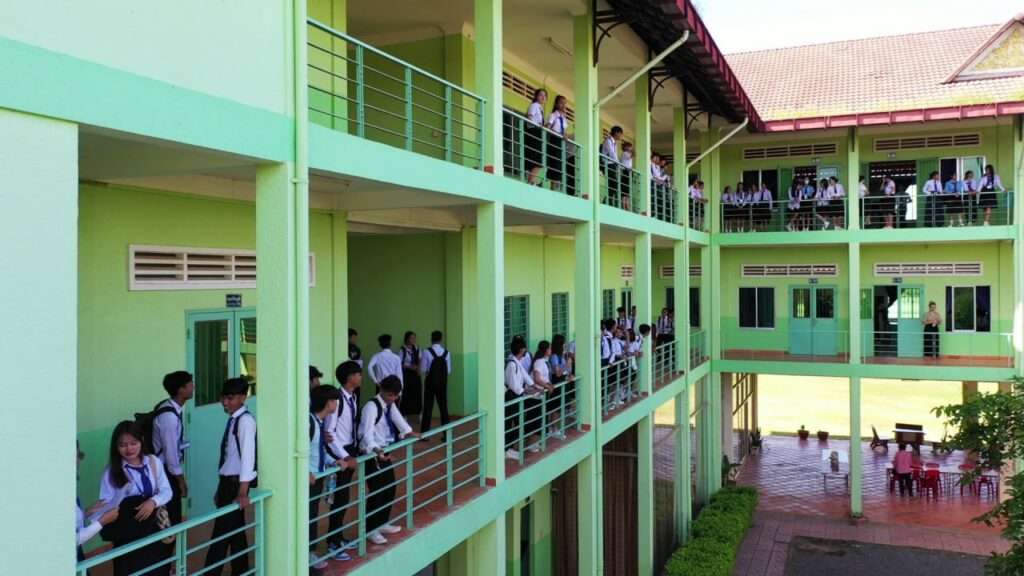
Founded in 2009, SPI is a Catholic higher education institution that provides opportunities for young people in rural areas with the desire to pursue higher education but lack the means or access to urban areas. Dedicated to empowering marginalized communities, SPI is known for its “faith-informed” and “socially engaged” character. Located in Angkorki Village in Takeo Province, SPI offers a quiet rural campus deeply connected to local communities and agricultural livelihoods. Each year, more than 330 students study in a close-knit environment supported by over 50 staff, in a personalized, community-oriented learning atmosphere.
SPI offers bachelor’s programs in Agronomy, Information Technology, Tourism Management, English Literature, and Social Work. Its curricula integrate classroom learning with practicum and community engagement; capstone projects or research components prepare students for employment and further study. SPI’s growth is reflected in its unique status as Cambodia’s only full member of both the Association of Southeast and East Asian Catholic Colleges and Universities (ASEACCU) and the International Federation of Catholic Universities (IFCU), and in its expanding network of partners in Asia, Australia, and around the globe.
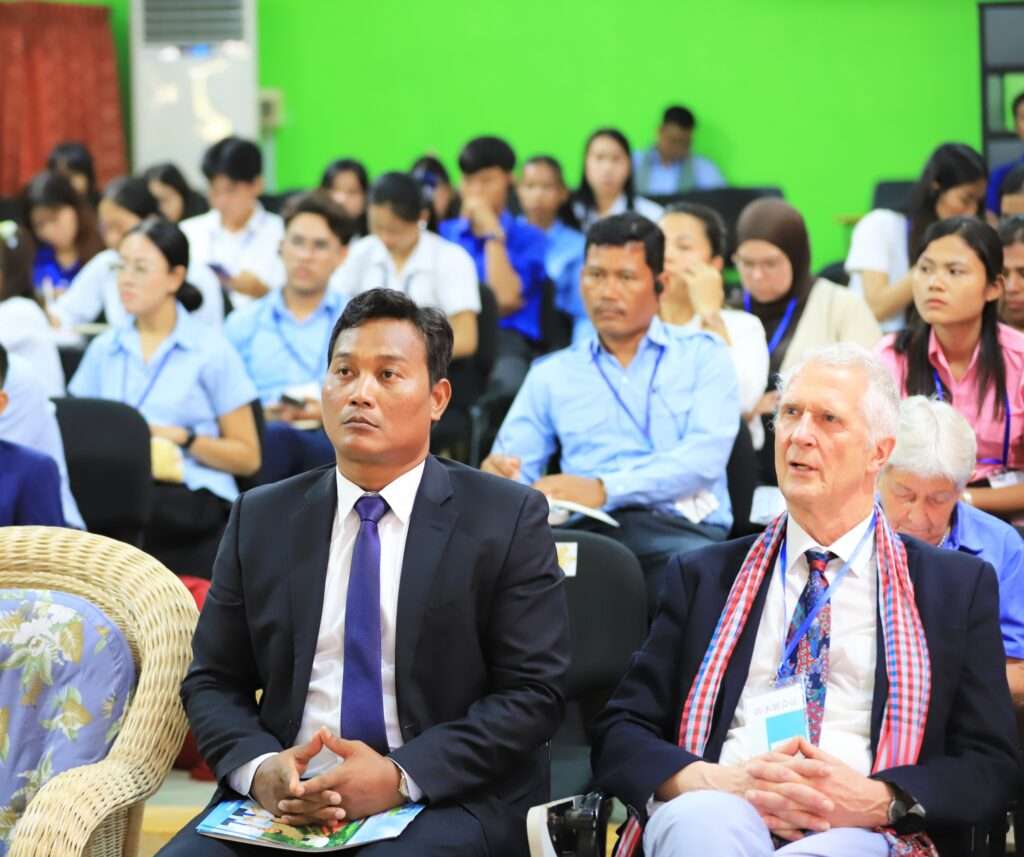
Dr. Sophal first heard about the United Board through friends in Macao and Thailand. When a colleague asked if he wished to connect with the United Board, his answer was immediate: “Yes, why not?” He responded quickly when he received an email from United Board staff, and he did not hesitate to invite them to visit SPI, even though he humbly described his institute as “very young and small” compared to other Asian universities.
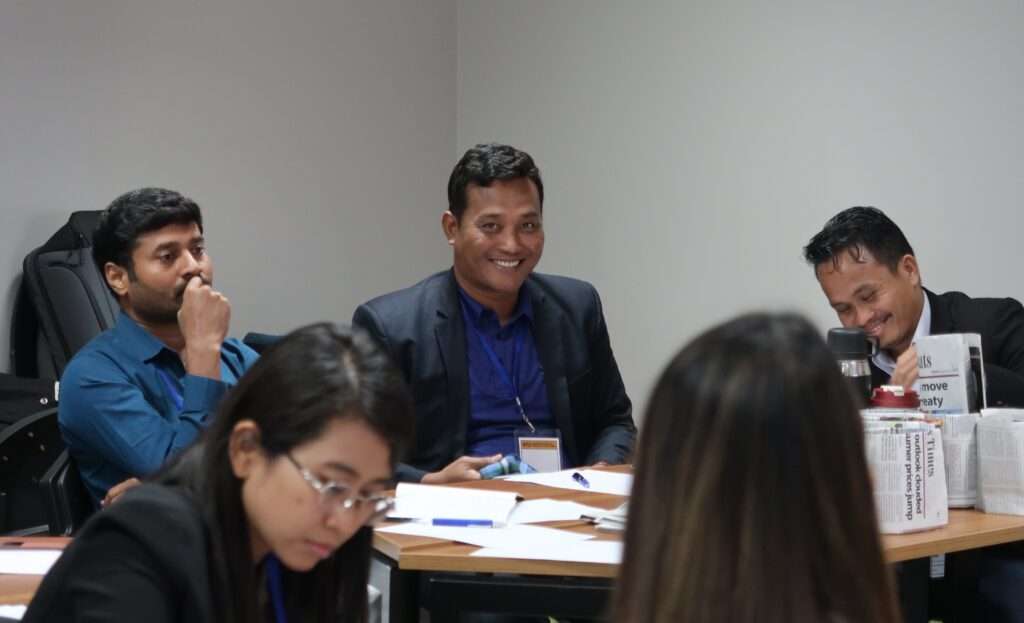
This prompt openness led to a United Board visit and, in February 2026, to his participation in the Whole Person Education Academy (WPEA). The timing was demanding, but he did not just enrol himself but also brought a colleague—Mr. Pech Rathana, research director of SPI—along. He chose to prioritize this opportunity because he saw a strong alignment between SPI’s mission and WPEA’s vision of the complete formation of the human person.
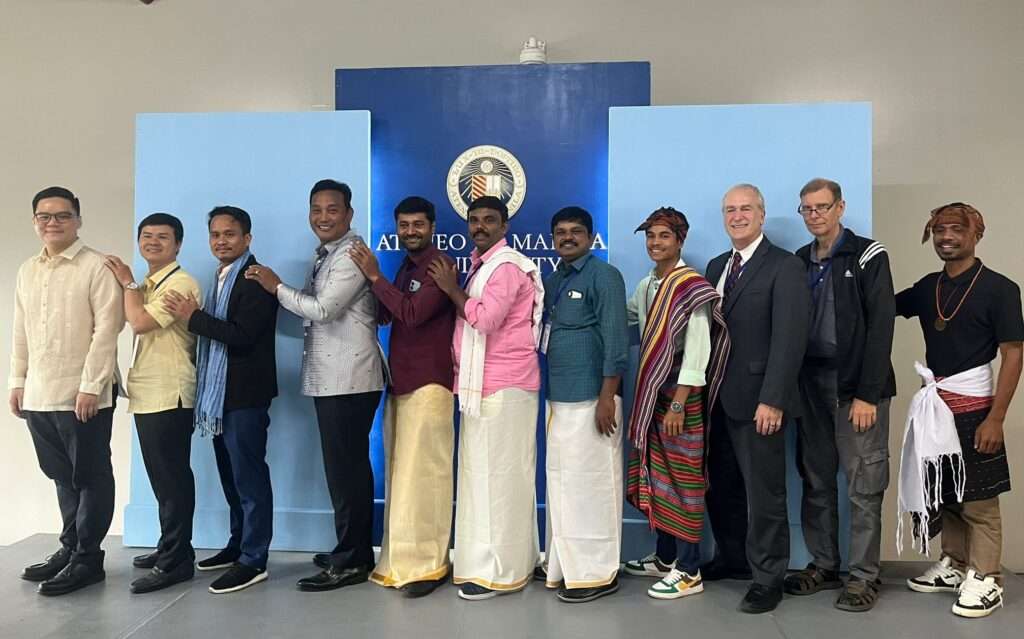
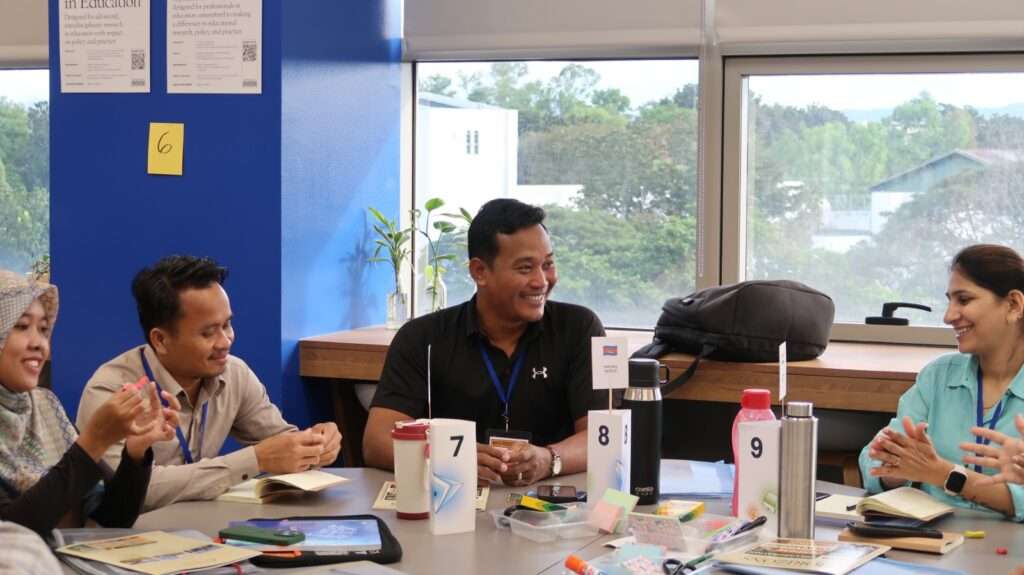
As Dr. Sophal recalled, two sessions at WPEA 2026 were decisive in shaping his next steps at SPI. The first was an alumni sharing session at which WPA alumni described how they had understood, applied, and sustained whole person education in their home institutions, highlighting the importance of forming a team rather than relying on “one head” or one idea.
The second was a session led by an alumni leader from Ateneo de Manila University, illustrating how whole person education continues through alumni engagement and how graduates can “complete” their lives by returning to share their stories, knowledge, and presence with their alma mater.
These insights translated quickly into concrete action back in Cambodia. Within a week of his return, Dr. Sophal asked Mr. Rathana to share about whole person education in a staff meeting and scheduled further discussions on how to embed it into the curriculum.
Drawing also on the experience shared at WPEA 2026 by a representative of a women’s college in India, he proposed that activities related to whole person education be formally credited—one or two credits per semester at first—so that students are required to participate in psychological support, counselling, and community engagement, rather than treating such activities as optional.
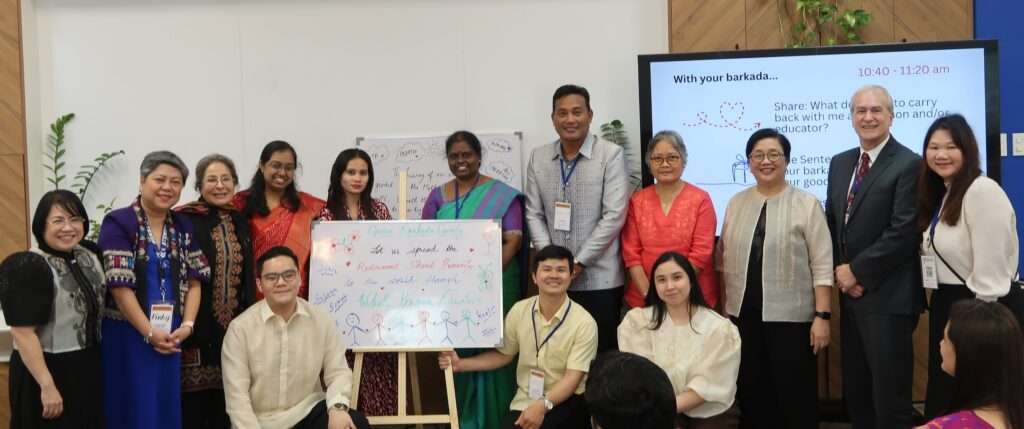
For Dr. Sophal, whole person education must include spiritual formation, psychology, and community engagement, with at least one student immersion or exposure to poor communities each semester to help them grow into complete human beings. He is already discussing new institutional requirements around counselling and community engagement, while also acknowledging that SPI will need time and careful planning to accommodate these changes without overburdening staff or budgets. Even so, he has set a clear timeline: by the end of this year, he intends to have designed both curriculum and extracurricular supports for whole person education at SPI.
SPI’s institutional trajectory mirrors Dr. Sophal’s sense of urgency and purpose. Its membership in ASEACCU and IFCU, along with partnerships with many institutions in the Australasian region, supports curriculum development, exchanges, and training that broaden students’ horizons. Participation in the Erasmus+ Program and collaborations with Sophia University (Japan), University of Saint Joseph (Macao), University of Notre Dame Australia, and Australian Catholic University further extend SPI’s regional and international networks, enriching its capacity to deliver whole person education in a Cambodian context.
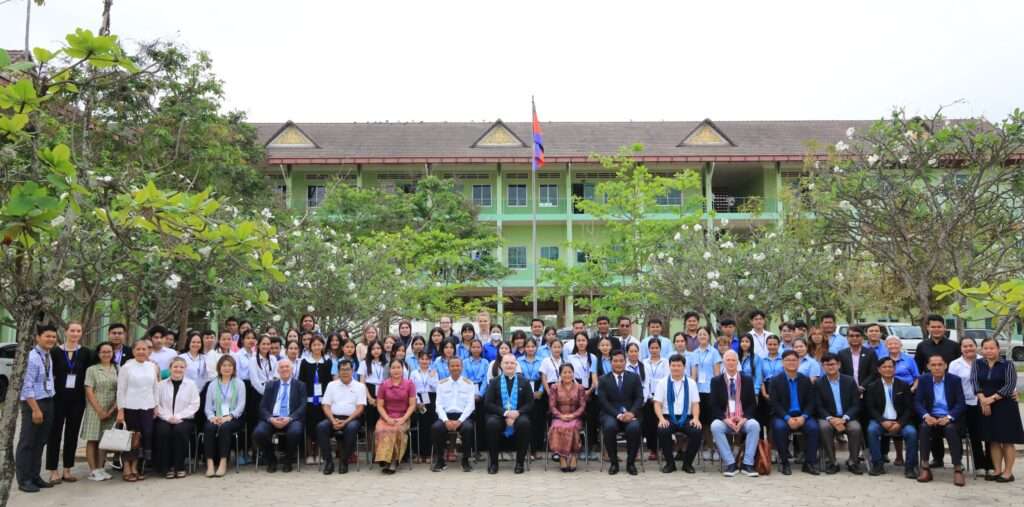
For Dr. Sophal, SPI’s rapid developments are not about competition but about “making our education more complete for our students,” ensuring that academic work is integrated with spirituality, community engagement, and care for the environment. WPEA 2026 gave him both a language and a peers network for this work, connecting a rural Cambodian institute with peers across Asia who share the same desire to form graduates who return to their communities ready to serve, lead, and give back.