
October 8, 2024

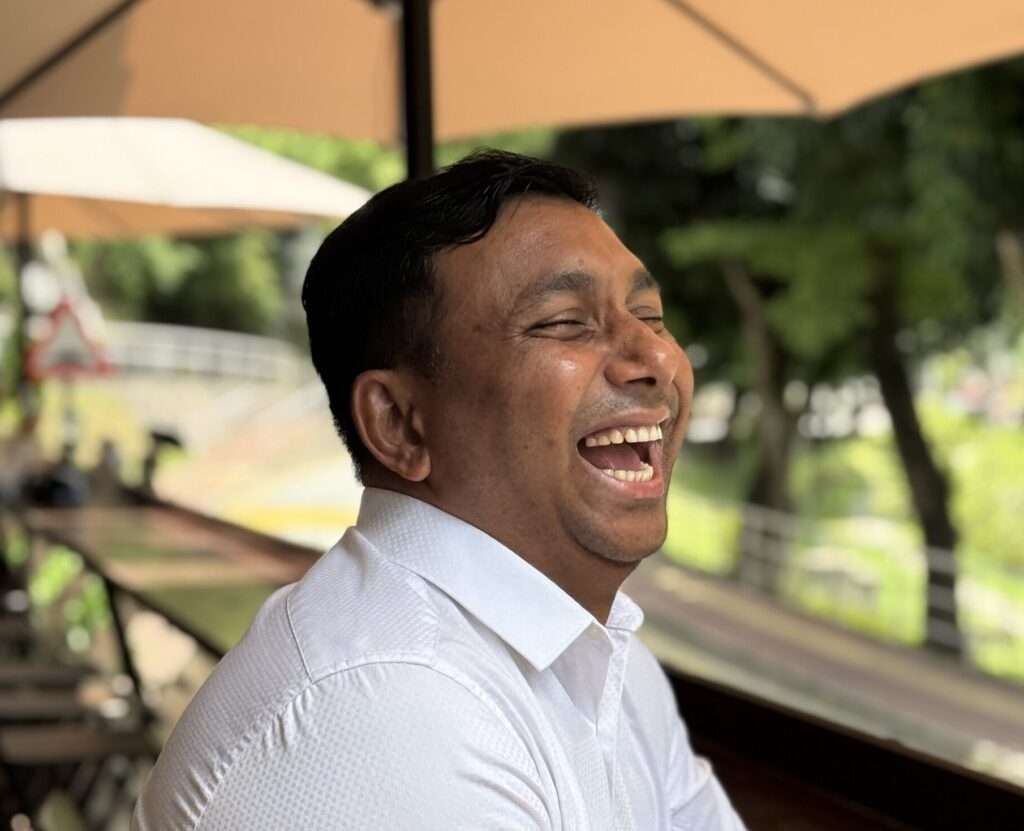

Dr. Ashok Mocherla’s journey began in a Telugu-speaking household in southern India, where “English is a working language” and family roots run deep into a Christian tradition shaped by his grandfather’s conversion. His educational trajectory led him from commerce to sociology and the study of social religion, culminating in significant academic roles and a professorship at the Indian Institute of Technology Indore & Centre for Cross-cultural studies in Chennai, India.
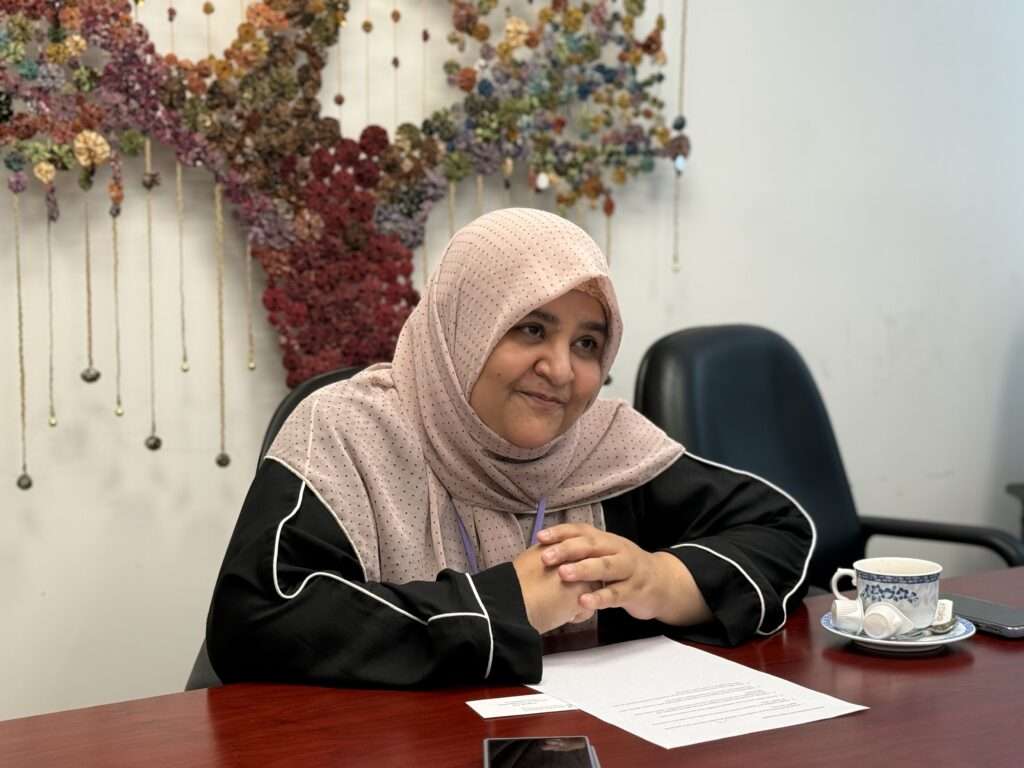
For Dr. Qudsia Firdous, childhood unfolded first in Dubai and then Pakistan, shaped by both aspirations in medicine and the religious devotion of her mother. Early on, Qudsia deepened her faith through studies at a madrasa before embarking on university courses in comparative religion and spiritual healing. “I believe in soul-healing and, being a religious teacher as well since a young age, I love to teach Quran,” she said. Teaching at Riphah International University in Islamabad, her professional life now blends Islamic studies, alternative medicine, and public engagement.
Raised in rural Shandong, China, and a “Hui” Muslim herself, Dr. Min Su describes her academic journey as interdisciplinary and unexpectedly expansive: “My undergraduate studies were at Central Minzu University. Later, I shifted disciplines, transferring to anthropology for my postgraduate work at Beijing University. Last year, I moved to teach at the Faculty of Languages and Linguistics at University Malaya in Malaysia,” she noted, reflecting on the continual adaptation of both her scholarship and identity.
Bring your own food
Asok, Qudsia and Min’s different and diverse paths crossed at the 2025 Institute for Advanced Study in Asian Cultures and Theologies (IASACT), one of the United Board’s signature programs. From mid-June 2025, 15 scholars from across Asia including them gathered in Hong Kong for a month of ground-breaking research, vibrant conversations, and interdisciplinary exploration centered around the theme of “Asian Foodscapes”.

Qudsia’s research, grounded in her faith and community work, investigates how religious teachings shape food culture and interfaith relations in Pakistan. “For the past 23 years, after every slaughtering feast, I pack the meat and send it to Christians and Hindus. I found that connecting through food is a very beautiful feeling,” she explained. Food, for Qudsia, is both a marker of identity and a vehicle for social healing, tied directly to her broader aim of fostering peace and understanding.
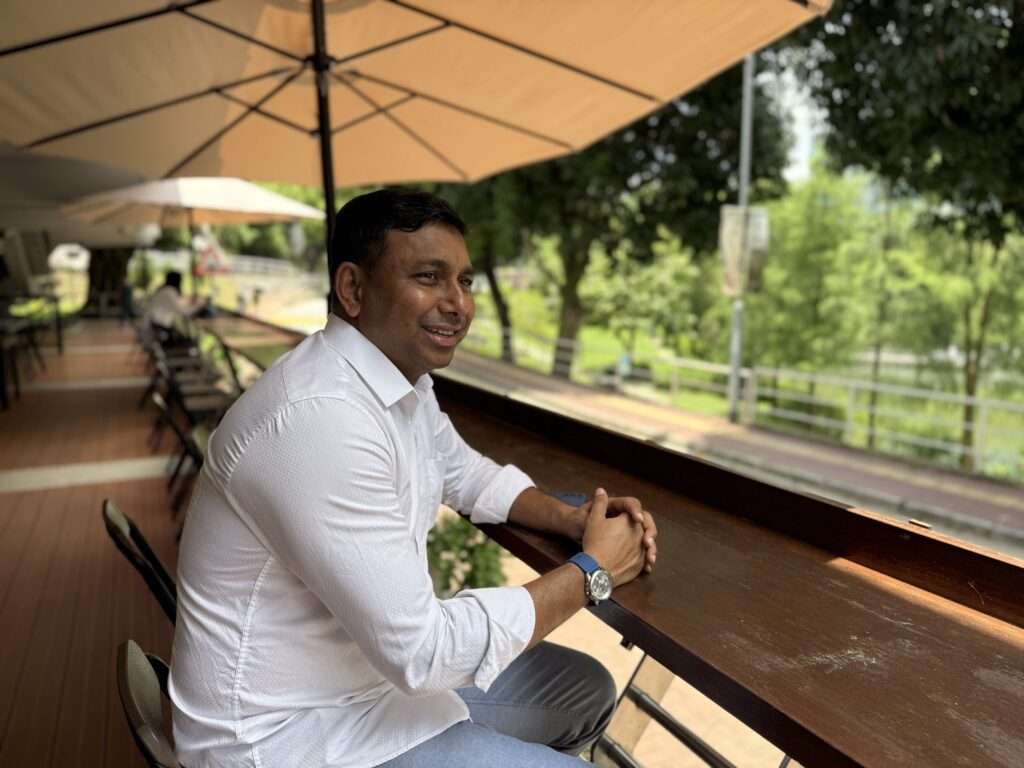
Ashok’s research centers on the politics of food and identity among Dalit Christians and other minorities in India. He explores how “food is universal—everyone eats—but how, when, and with whom we eat varies across cultures. We were unable to decouple food from religious or ethnic identity. What you’re eating seems to be the aspect that determines your identity,” he observed, highlighting both sensitivities and hopes for greater mutual respect.
Min’s research interest lies in the intersections of food, religious identity, and state regulation. Her project for IASACT 2025 derived from such interest, tackling transnational “audit cultures” in the certification and trade of the tropical fruit durian—a complex analysis that considers how “food safety protocols, biosafety regulations, and packaging requirements govern the circulation of durian, revealing the complex layers of transnational regulation and cultural meaning.”
What’s so special about this specialty
All three scholars agree that IASACT 2025 provided a rare and stimulating academic community—one that bridges academic disciplines and geographic borders.

Min was grateful for the opportunity offered by the United Board: “IASACT 2025 stands out to me because it brings together scholars from across Asia to discuss food, archaeology, religion, and other intersecting themes. I’m grateful for this intellectual community and the opportunities it brings.”
For Qudsia, IASACT was an affirming space for both academic and interfaith dialogue: “What I perceived here is a spirit of interfaith relations and a platform for peace ambassadors, especially from female scholars. It’s a very inclusive environment.”
Ashok praised the “genuine interdisciplinarity” of the program and its “focus on Asia by Asians, which reduces colonial misunderstanding that sometimes comes with Euro-American scholarship.” He also welcomed its “open methodological approach” which not only entertains academic papers but also policy studies and other project proposals.
The three scholars’ distinct voices, united in their commitment to bridge-building and mutual understanding, are a testament to the impact of IASACT and the United Board. Together, they illuminate the power of shared inquiry—and the enduring hope that food, faith, and culture can be woven into new forms of harmony across Asia.