
December 8, 2025

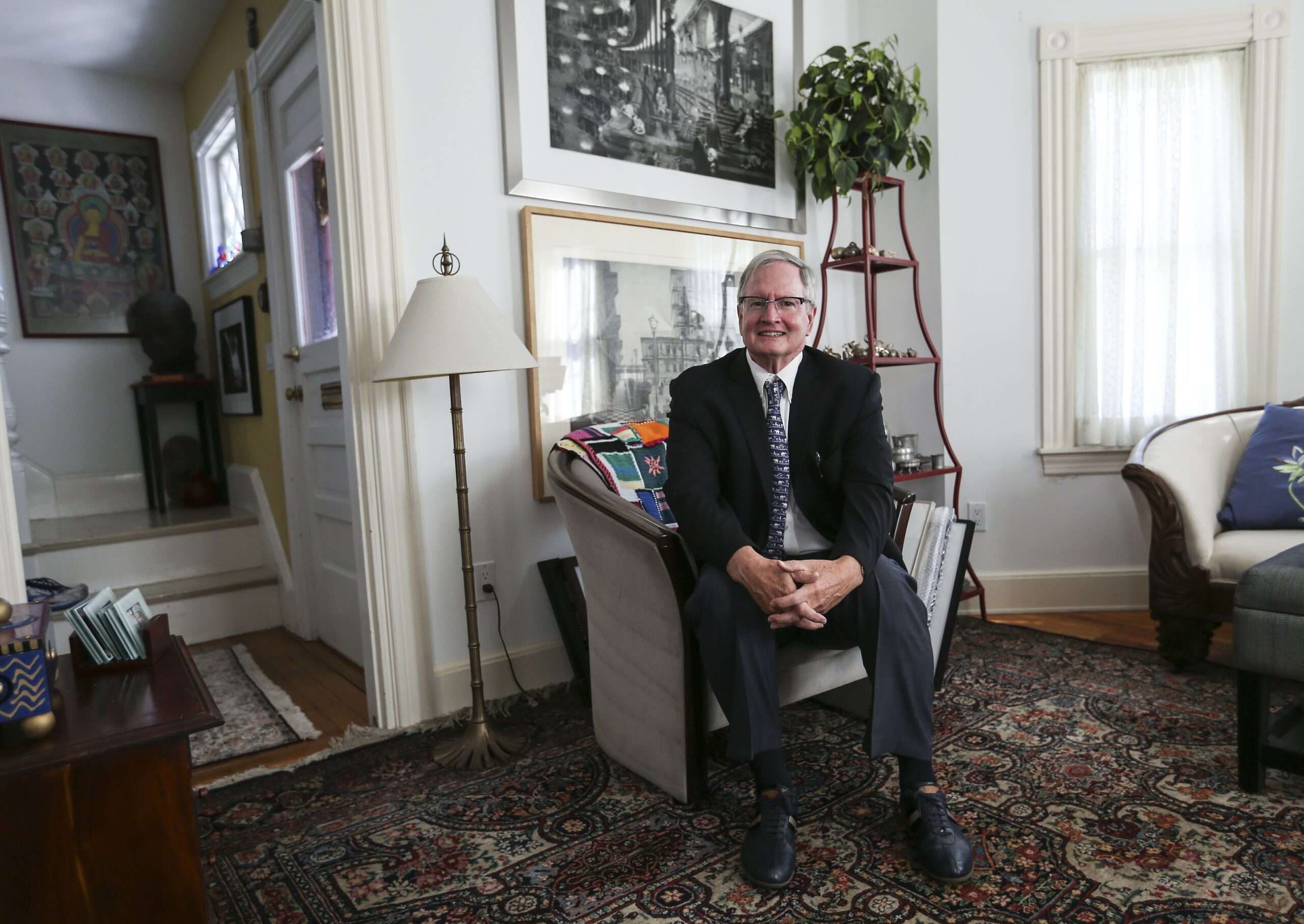
Most people are fortunate to find success in one profession. Dr. Charles Bickford has had success in two—and then saw his two career paths converge to open new roads on the other side of the world through the United Board.
His first career was in academia, becoming a tenured professor after earning a PhD in medieval literature. Then, he found a second career after discovering a passion for the non-profit sector, taking on leadership roles in organizations such as a charitable foundation started by his father and the New Hampshire Humanities Council.

Meeting mentors and friends
While in the latter role, Dr. Bickford met someone who would have a profound influence on his life: the late Reverend Charles “Kelly” Clark. Reverend Clark was not only on the board of the Council, but also a trustee of the United Board, and he would provide Dr. Bickford with a fateful piece of advice.
“Reverend Clark was a wonderful human being,” Dr. Bickford recalls. “I think of him everyday. He was a mentor to me, and a great representative of the United Board. He kept urging me to talk to the United Board because he knew I’d love it—and I did!”
At Reverend Clark’s urging, Dr. Bickford met with David Vikner, president of the United Board at the time, to discuss opportunities to work abroad. Dr. Bickford found himself intrigued by the opportunity to apply an old set of skills in a new environment.
“I’d been working in the same job for 15 years and I loved it, but I wanted to do something different,” Dr. Bickford explains. “I hadn't taught in years, so I liked the challenge of going back to it and seeing a new part of the world at the same time.”
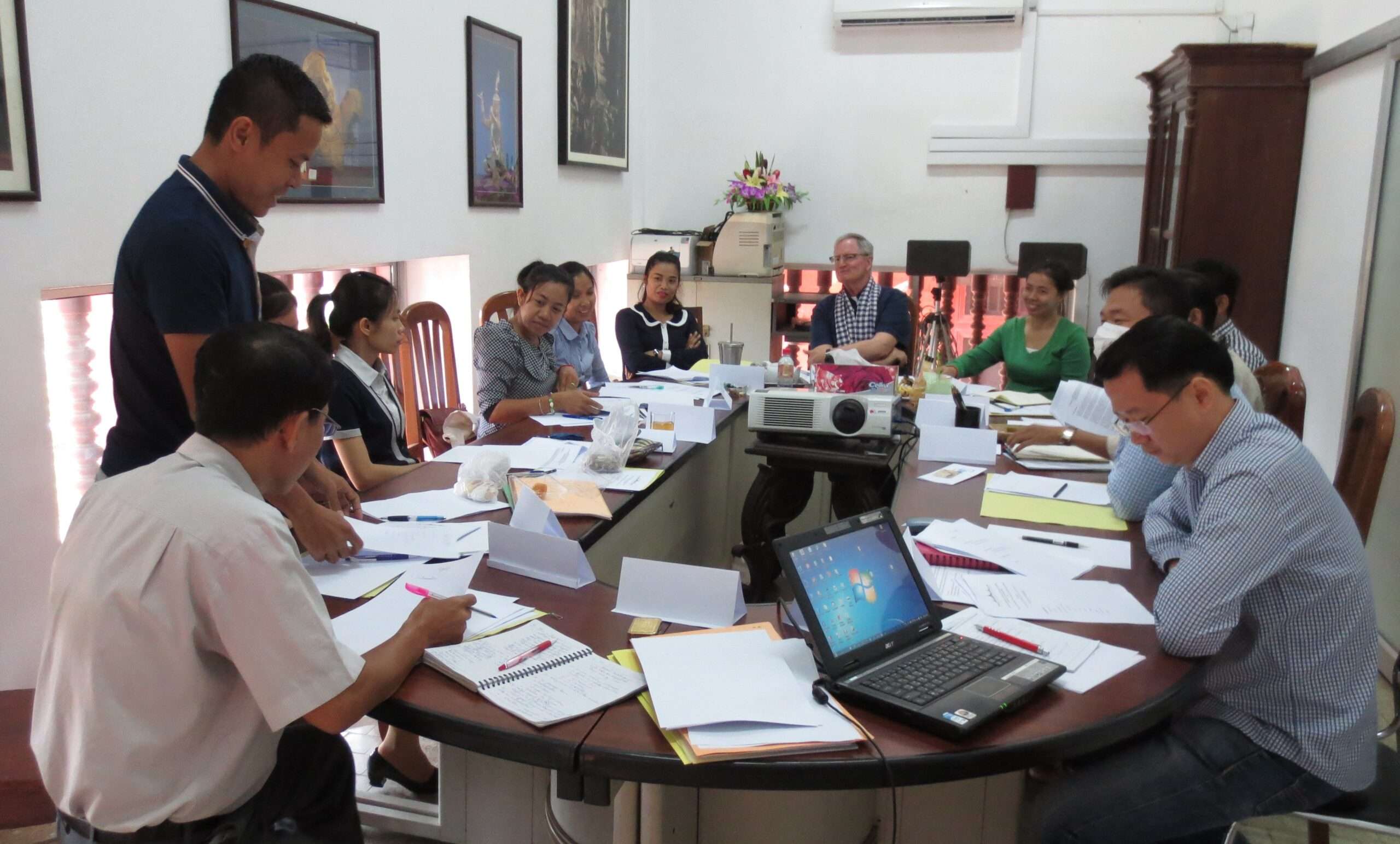
As a result of those discussions with the United Board, Dr. Bickford and his wife took a year-long sabbatical in Vietnam to teach literature and German, respectively. Although they were there to teach, the couple found their own understanding of the world greatly expanded by being immersed in another culture.
What pleasant culture shock!
“When we first came to the campus, I told the driver, ‘You've made a mistake. This isn't a campus.’ Oh, but it was. It was just not the campus I was used to seeing,” Dr. Bickford recalls. “Every day we were there we were provided fascinating glimpses into life in Vietnam, even little details like how I would be filthy after walking 100 meters to the classroom during rainy season while my students would show up pristine after biking there from miles away.”
Feeling enlightened from his time in Vietnam, Dr. Bickford looked for other ways to continue giving back to the people of Asia. He was presented with an unexpected opportunity when Sister Luise Ahrens, who worked with the United Board, called him with an offer to teach literature in Cambodia.
“It wouldn’t have been my first choice of place to go. Cambodia in those days was still in a difficult place after going through the holocaust with the Khmer Rouge. But we went—and then we kept going on and off for years,” Dr. Bickford says.
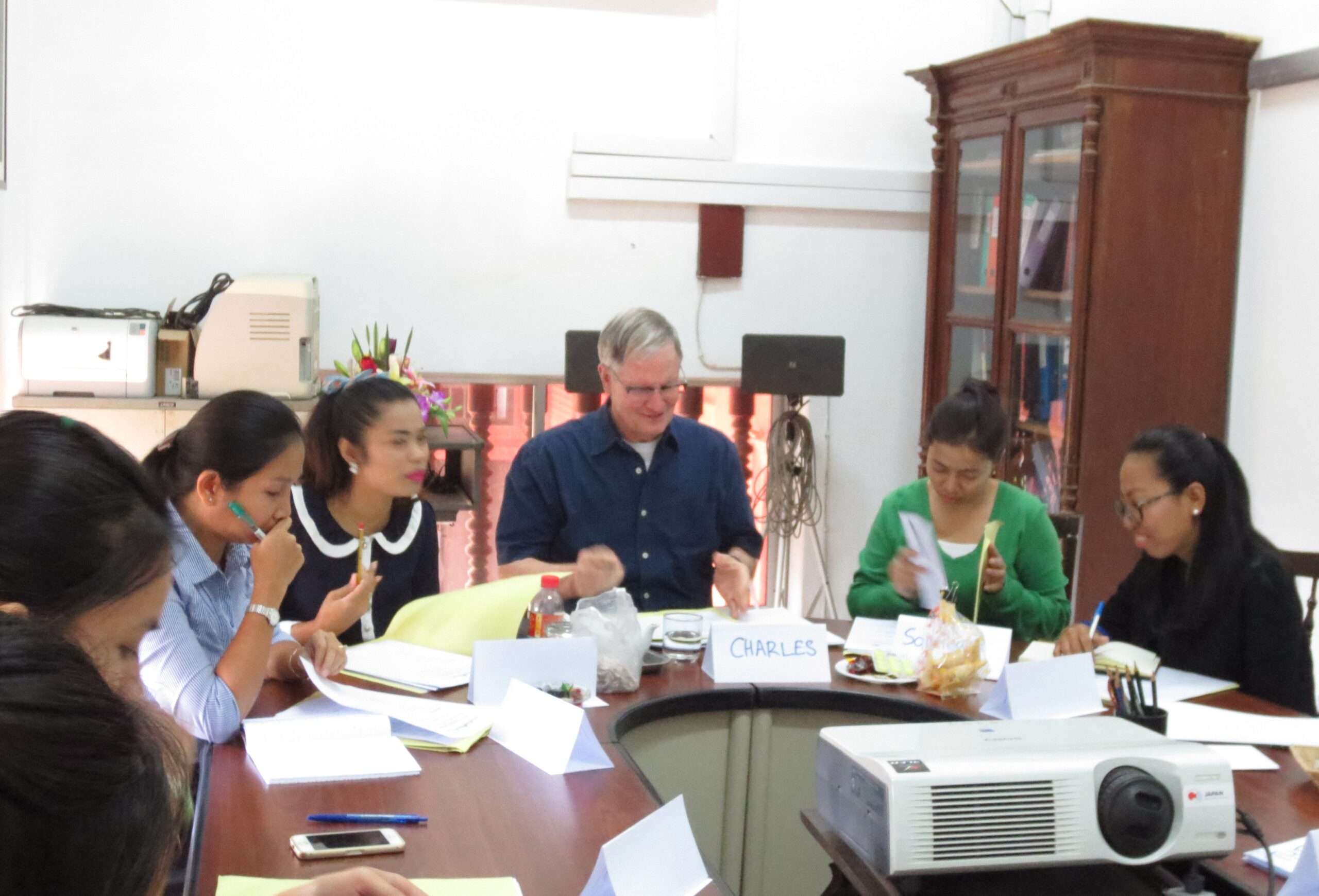
“One time I went there, I taught a group of young faculty members, maybe 12 or 14 of them. My aim was to help them get advanced education outside of Cambodia. Almost all of them got a graduate degree abroad, with just one of them choosing a different path. That was really my proudest accomplishment.”
It’s all added up!
Decades later, Dr. Bickford retains his passion for nonprofits, education, and Asia. He is involved in an organization that supports the preservation of Cambodian cultural achievements. He also continues to be part of the John Bickford Foundation. The Foundation was started by his father, a financial analyst who was a “combination of kindness and good southern manners,” in 1970; since then, it has donated millions of dollars in total to a number of worthwhile charities. The Foundation has made philanthropy a family tradition, with members of the Bickford clan meeting for dinner twice a year over the generations to discuss the Foundation and what organizations to support with its funds.
“When I was growing up, I didn't see any of my family except my most immediate ones, so it has been a wonderful way to connect with family,” Dr. Bickford says. “Our gifts were never extraordinary, maybe just $1,000 and $5,000 and $10,000 at a time. But over the years, it's added up. And that's a very lovely feeling.”
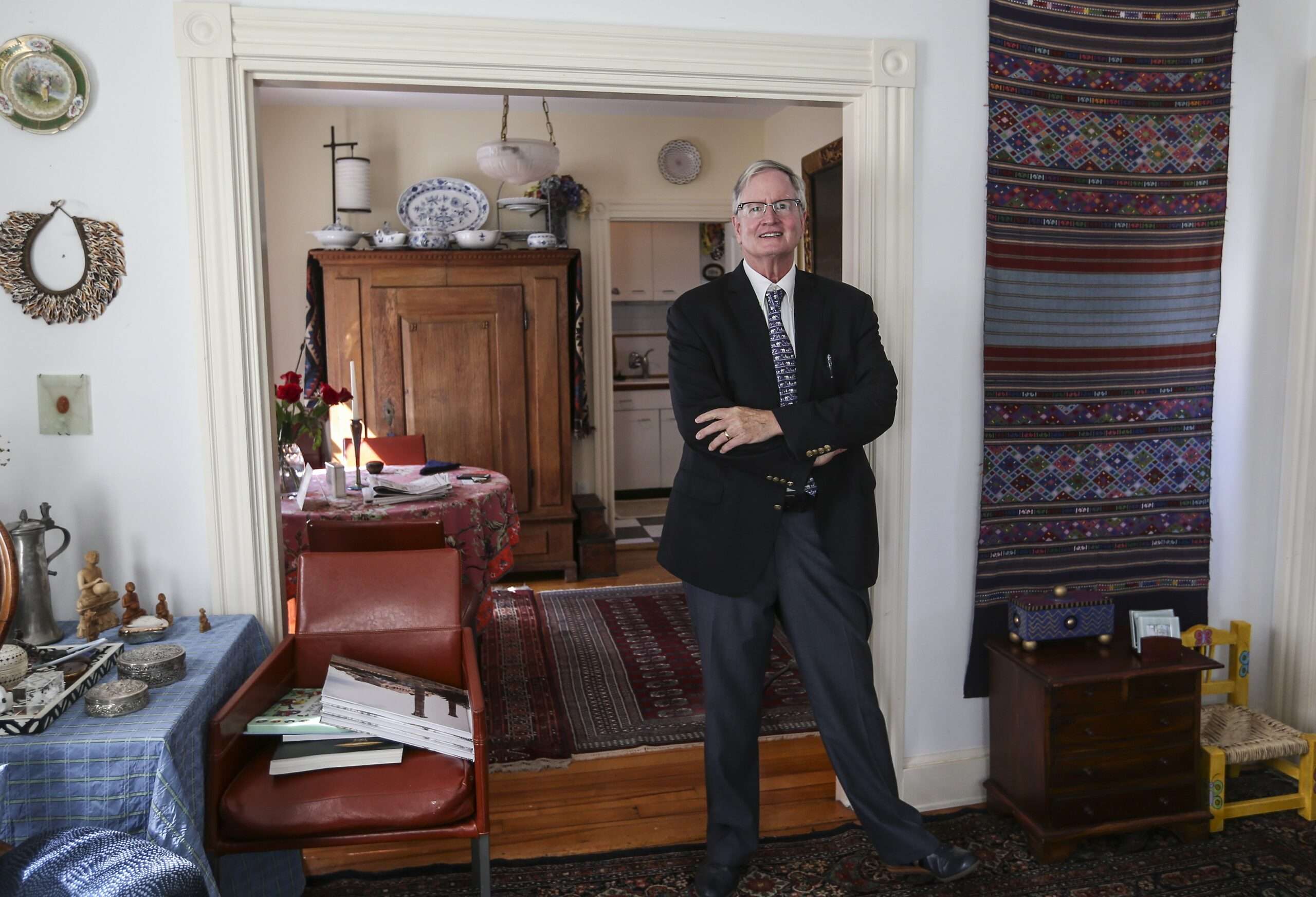
Among those supported by the Foundation is the United Board, in recognition of the impact that Dr. Bickford saw from the organization’s work firsthand.
“I think back about the kids we were able to help get advanced degrees over the years, and I want to keep doing that,” says Dr. Bickford. “I want to help people in Southeast Asia who struggle and need help to get education because education is one of the few things that can create change for the positive and for the future.”